
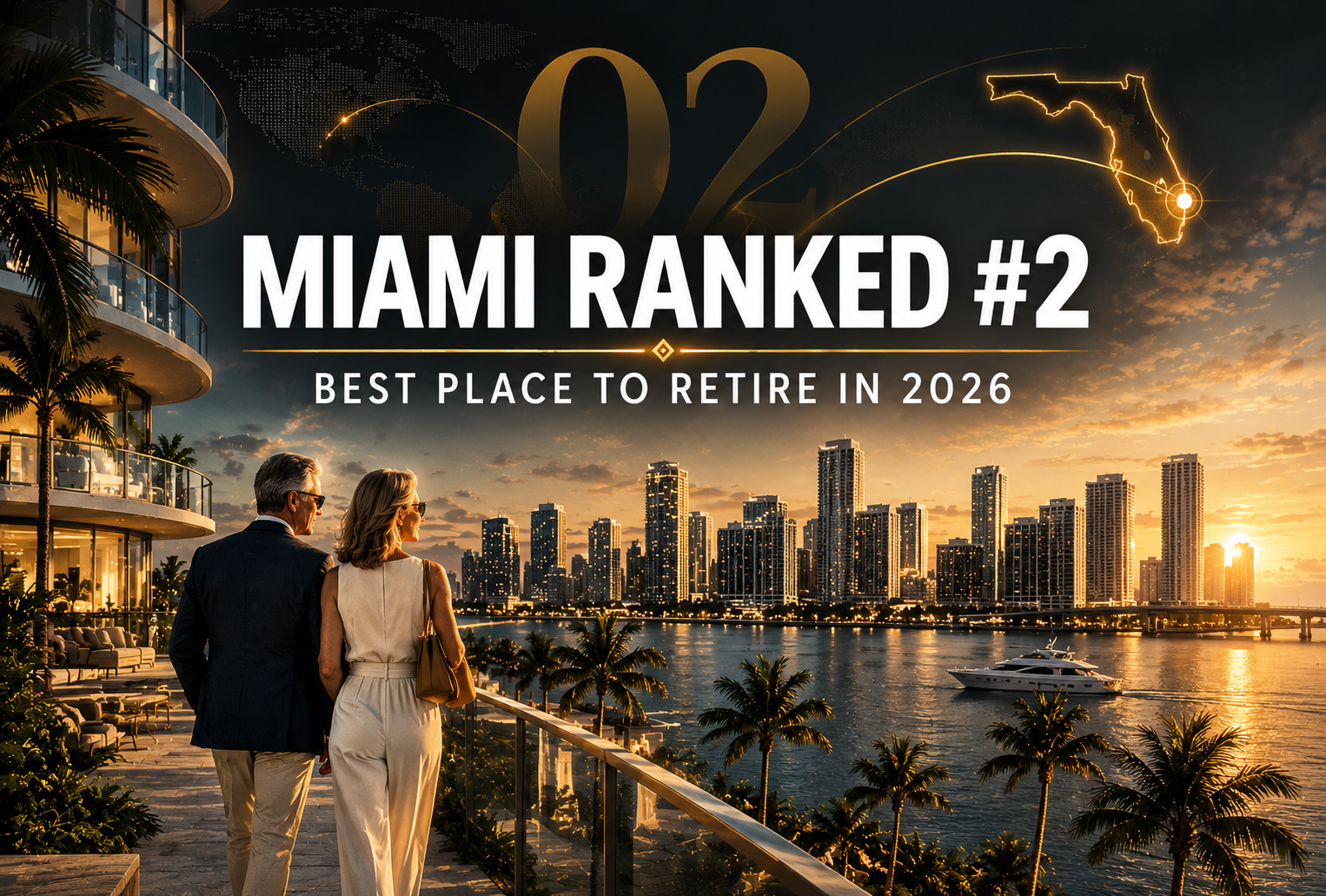
National recognition often highlights shifts in demographic movement. According to WalletHub's comprehensive 2026 study evaluating more than 180 major United States cities across key performance metrics, Miami secured the No. 2 national ranking for retirement destinations. Trailing only Orlando and leading peers like Tampa and Scottsdale, Miami's prominent position reflects more than a seasonal headline. It signals a profound evolution in how high-net-worth individuals, pre-retirees, and families perceive long-term living in South Florida.
For real estate buyers, investors, and international capital allocators, national retirement rankings offer valuable insight. When a major metropolitan area attracts top marks for overall quality of life, healthcare accessibility, recreation, and financial structure, the underlying real estate market invariably feels the impact. Examining why Miami earned this distinction reveals crucial clues about the trajectory of South Florida property ownership.
Why Miami Ranked No. 2 for Retirees in 2026
The methodology behind the 2026 national ranking evaluates dozens of distinct indicators categorized under affordability, activities, quality of life, and healthcare. While traditional retirement spots often prioritize quiet isolation, Miami succeeded by offering a vibrant urban fabric paired with robust infrastructure.
Florida's favorable tax environment serves as a primary catalyst. With no state income tax, estate tax, or inheritance tax, the state preserves capital for individuals on fixed incomes or managing accumulated wealth. Beyond tax policy, Miami scored exceptionally well in recreational opportunities, cultural diversity, dining options, and access to specialized medical networks. The city bridges the gap between relaxation and high-energy metropolitan living, creating an environment where retirees and active adults refuse to compromise on lifestyle.
What Makes Miami Attractive for Long-Term Living
Retirement today looks entirely different than it did a generation ago. Today's pre-retirees and retirees are active, engaged, and seeking dynamic surroundings rather than passive seclusion. Miami delivers this through a unique blend of natural and cultural assets.
The year-round warm climate encourages outdoor recreation, from coastal boating and golf to wellness activities and tennis. Culturally, the city functions as a global crossroads. World-class museums, international art fairs, performing arts centers, and an acclaimed culinary scene provide constant intellectual and social stimulation. Furthermore, healthcare infrastructure in South Florida has expanded rapidly, featuring premier medical systems and specialized geriatric networks that offer peace of mind to aging populations and their families.
What Miami's Retirement Appeal Means for Real Estate
Demographic trends directly influence housing markets. The factors driving Miami's high retirement ranking also fuel steady demand across the residential property sector. As affluent buyers look toward South Florida for their next chapter, housing preferences shift toward specific asset classes.
Demand concentrates heavily on properties that combine luxury with low-maintenance convenience. Luxury condominiums in prime locations such as Brickell, Edgewater, and Miami Beach attract buyers seeking concierge services, walkability, and security. Simultaneously, waterfront single-family homes and gated enclaves appeal to those desiring privacy and expansive square footage. Because many relocating buyers possess significant equity or purchase with cash, the upper tiers of the Miami housing market maintain structural resilience despite broader economic shifts.
Miami Is More Than a Retirement Destination
While a No. 2 retirement ranking emphasizes lifestyle and livability, describing Miami solely as a retirement haven misses the broader economic picture. The city operates as an international business gateway, a technology hub, and a magnet for corporate relocations and family offices.
This multi-generational appeal creates a resilient real estate ecosystem. When retirees, entrepreneurs, remote executives, and international investors target the same geographic market, demand diversifies. A property purchased today as a second home or future retirement residence often serves multiple purposes over its lifecycle, functioning as a remote workspace, a family gathering place, and a long-term store of value.
What Buyers and Investors Should Consider in 2026
Navigating the South Florida market requires realistic financial planning. While tax advantages provide meaningful savings, buyers must account for the total cost of ownership. Property taxes, homeowners association dues, condominium assessments, and homeowner insurance premiums require careful evaluation.
Furthermore, location selection remains paramount. Proximity to cultural amenities, healthcare facilities, and coastal access influences both daily satisfaction and long-term liquidity. Working with experienced advisors helps buyers align their real estate choices with long-term financial and lifestyle goals.
Miami's Ranking Reinforces Its Broader Real Estate Appeal
Miami's No. 2 ranking among U.S. retirement destinations highlights a city that has successfully transformed into a premier global metropolis. For those evaluating property ownership in South Florida, this recognition validates what local residents already know. Miami offers an exceptional intersection of climate, culture, financial flexibility, and lifestyle vitality.
Whether you are planning ahead for retirement, relocating your primary residence, or seeking a strategic addition to your real estate portfolio, understanding the nuances of the Miami market is essential. Connect with Molka Epelboim today to discuss customized market insights and explore exceptional real estate opportunities across South Florida.