
Why Real Estate Remains a Popular Long-Term Investment
For anyone navigating the complex world of asset allocation, finding an asset class that balances stability with growth potential is paramount. Year after year, physical property captures the confidence of everyday buyers and institutional heavyweights alike. Tangible assets provide a sense of security that paper assets cannot always replicate. Beyond psychological comfort, real estate offers historical resilience against inflation, steady cash flow opportunities through rental income, and substantial equity build-up over decades. In an economic climate defined by shifting monetary policies, property continues to stand out as a foundational pillar for multi-generational wealth.
What the 2026 Ranking Really Means
Public confidence in property ownership is not just a passing trend. Recent empirical data highlights a deep-seated belief in tangible assets among American consumers and investors.
How the Ranking Was Determined
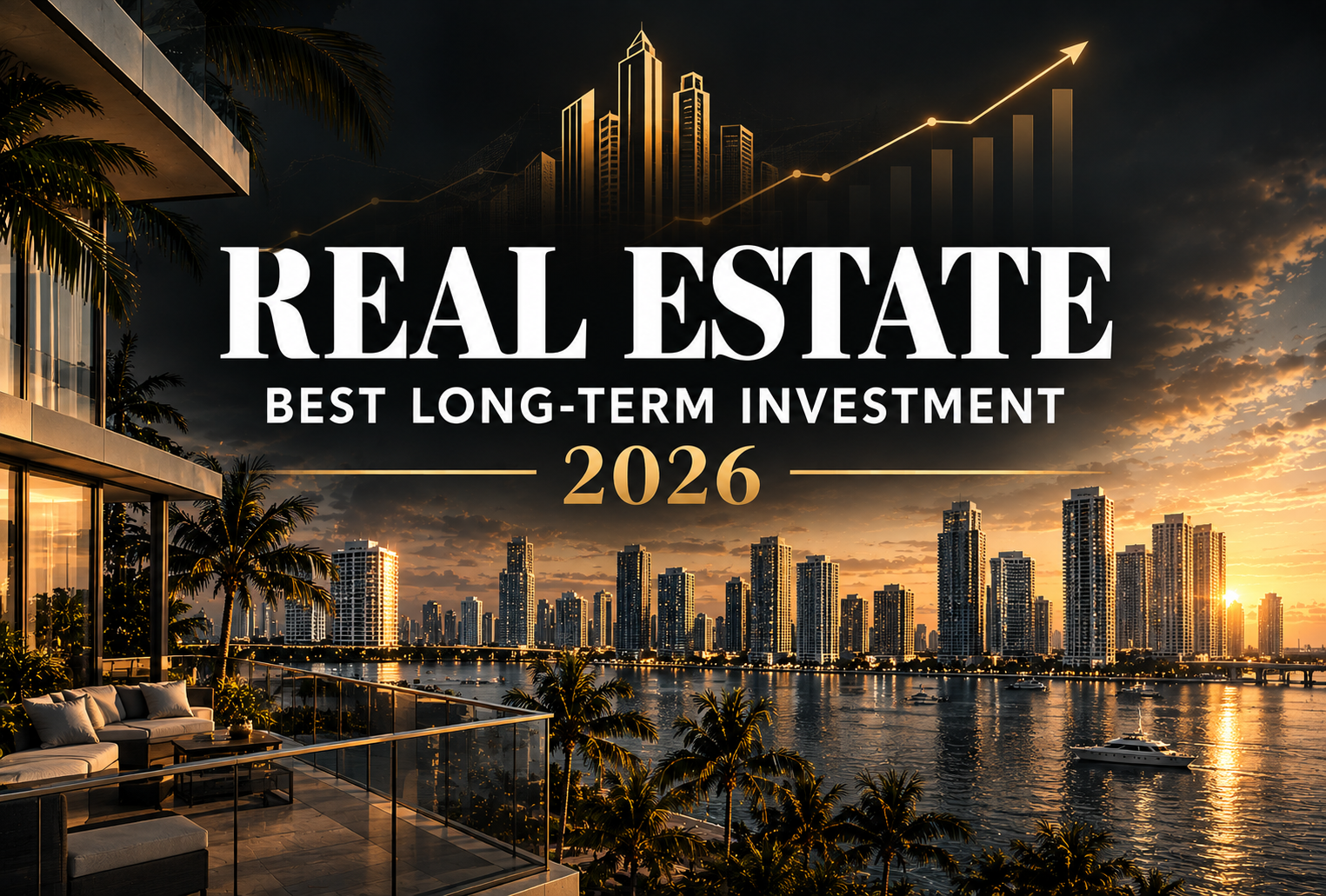
According to Gallup's annual economic and personal finance survey, real estate captured the top spot as Americans' preferred long-term investment for the fourteenth consecutive year. Roughly 38 percent of survey respondents selected real estate, placing it comfortably ahead of stocks, gold, mutual funds, and cryptocurrency. This survey evaluates public sentiment across diverse demographic brackets, tracking how everyday individuals and sophisticated investors perceive wealth-building vehicles over horizons lasting ten years or more.
The Difference Between Popularity and Performance
While a popularity ranking demonstrates widespread consumer faith, it is essential to separate public sentiment from individual asset performance. Real estate is inherently localized. A top ranking does not mean every property automatically appreciates. Success depends heavily on micro-market dynamics, purchase price discipline, financing structures, and active property management. Understanding this distinction helps buyers approach the market with a grounded, analytical mindset rather than relying purely on sentiment.
Why South Florida Continues to Attract Buyers and Investors
Few regions exhibit the dynamic growth and enduring appeal found across South Florida. Cities like Miami, Fort Lauderdale, Palm Beach, Boca Raton, and Coral Gables remain magnetic epicenters for domestic migration and global capital.
Miami and the International Buyer Market
Miami and its surrounding financial hubs, such as Brickell and Aventura, function as the gateway to Latin America and a focal point for European wealth. International buyers view South Florida as a safe harbor for capital preservation, drawn by world-class infrastructure, a pro-business environment, and a thriving cultural landscape.
Rental Demand, Lifestyle, and Location
Continuous population inflows from high-tax northeastern and midwestern states sustain robust rental demand. Sunny Isles Beach, Fort Lauderdale, and suburban pockets like Boca Raton benefit from year-round sunshine, vibrant urban centers, and a tax-friendly climate. This steady influx supports high occupancy rates for both long-term residential leases and luxury seasonal rentals.
Luxury, Waterfront, and Emerging Opportunities
The luxury and waterfront sectors in Palm Beach and Coral Gables maintain unique value retention due to scarce geographical supply. At the same time, smart investors are eyeing emerging transit-oriented corridors that promise modern developments and long-term appreciation potential.
Important Risks Investors Should Consider
No investment discussion is complete without a thorough evaluation of potential headwinds. Prudent decision-making requires accounting for several key risk factors.
Interest Rates: Fluctuating borrowing costs impact purchasing power and overall cap rates.
Insurance Costs: South Florida property insurance premiums require careful budgeting and proactive policy reviews.
Property Taxes and Expenses: Ongoing operating costs, maintenance, and HOA or condominium fees directly affect net yields.
Climate and Environmental Factors: Flood zones and climate resilience are vital considerations for coastal and low-lying assets.
Market Cycles and Liquidity: Real estate is an illiquid asset class, meaning capital cannot be quickly converted to cash without potential market friction.
What Buyers and Investors Should Watch in 2026
Navigating the 2026 market requires monitoring inventory levels, localized job growth, and municipal infrastructure investments. Buyers should work closely with experienced advisors to analyze neighborhood-specific fundamentals. Success relies on matching personal financial timelines with properties that offer intrinsic value, structural soundness, and sustainable demand.
Final Takeaway
Real estate earns its status as a premier long-term investment through its combination of utility, historical appreciation, and wealth-building mechanics. By balancing optimism with a clear-eyed view of local risks, buyers and investors can position themselves for long-term success in dynamic regions like South Florida.