When Ken Griffin, billionaire founder of Citadel and Citadel Securities, declared that “Miami is unequivocally one of the great up-and-coming cities, not just in Florida, not just in America, but in the world,” he wasn’t speaking in hyperbole—he was articulating a vision backed by billions in investment, a shifting financial landscape, and a city rapidly transforming into a global powerhouse.
From Sun and Sand to Finance and Fortune
Historically known for its beaches and nightlife, Miami has undergone a seismic shift in identity. Once dismissed as a seasonal playground, the city is now a year-round magnet for capital, talent, and innovation. Griffin’s decision to relocate Citadel’s $66 billion hedge fund and its market-making arm to Miami in 2022 was more than a corporate move—it was a signal flare to the world’s financial elite.
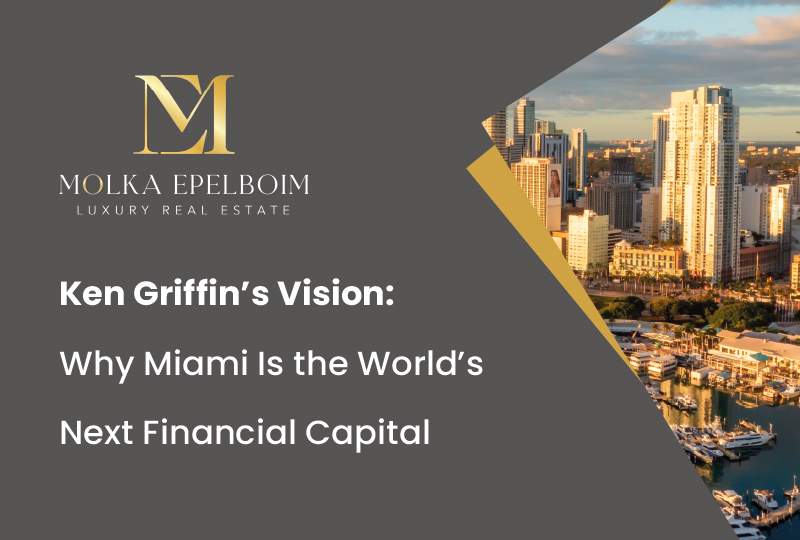
Griffin’s new headquarters, a 54-story skyscraper designed by Foster + Partners, is under development at 1201 Brickell Bay Drive. The tower will rise 1,032 feet above Biscayne Bay, making it one of the tallest buildings in the southeastern U.S. It will house not only Citadel’s operations but also a luxury hotel, retail space, and public waterfront access.
The Numbers Behind the Narrative
Miami’s rise isn’t just anecdotal—it’s statistical. Consider the following:
Population Growth: The Miami metro area reached 6.37 million residents in 2025, up 0.87% from the previous year. Miami-Dade County alone grew to 2.71 million people, reflecting an 8.28% increase since 2010.
Wealth Migration: Since 2020, Florida has gained over $100 billion in wealth, while the Northeast lost $60 billion.
Real Estate Appreciation: Miami-Dade condo prices have surged 140.7% over the past decade, from $189,000 in 2015 to $455,000 in 2025. Single-family home prices have risen 167.3% in the same period.
Luxury Market Strength: Sales of $1M+ condos in Miami rose 78% from pre-pandemic levels, and over 50% of these transactions were all-cash.
Equity Richness: Miami-Dade ranks No. 5 in the U.S. for equity-rich homes, with 64.4% of properties having a loan-to-value ratio of 50% or less.
“Wall Street South” Is No Longer a Catchphrase
Griffin’s move helped cement Miami’s status as a legitimate financial hub. More than 60 international banks now operate in the city. The influx of hedge funds, venture capital firms, and fintech startups has transformed Brickell into a buzzing financial district that rivals Manhattan.
In Griffin’s own words, “We’re on Brickell Bay, and maybe in 50 years it will be Brickell Bay North how we refer to New York in finance”.
Infrastructure and Innovation
Miami’s transformation isn’t limited to finance. The city has invested heavily in infrastructure to support its growth:
$9 Billion Modernization at MIA: Miami International Airport is undergoing a massive upgrade, including new terminals, 126 energy-efficient boarding bridges, and a 2,200-space parking garage.
PortMiami Expansion: The port now supports shore power for cruise ships, reducing emissions, and has received $45 million in state funding for upgrades.
Downtown Master Plan 2025: The city’s strategic plan includes expanded transit, green spaces, and public art to enhance livability.

Real Estate: A Global Magnet
Miami was ranked the No. 2 housing market in the U.S. for 2025 by Realtor.com, with a projected 24% increase in sales and a 9% rise in median prices. Despite a 20.2% year-over-year drop in total home sales in May 2025 due to high mortgage rates, prices have remained resilient. Condo prices held steady at a median of $425,000, while single-family homes reached $675,0006.
Luxury real estate continues to thrive. In fact, Griffin himself is building what could become the world’s most expensive home—a $1 billion, 50,000-square-foot mansion in Palm Beach.
Challenges Framed as “Problems of Prosperity”
Griffin acknowledges Miami’s growing pains—rising rents, infrastructure strain, and limited school capacity—but calls them “problems of prosperity” rather than decline. These are the kinds of challenges that come with rapid growth, not stagnation.
A Cultural and Global Renaissance
Beyond finance and real estate, Miami is becoming a cultural and technological hub. The city’s diversity, international connectivity, and pro-business policies have attracted a wave of entrepreneurs, artists, and innovators.
The Global Wellness Institute recently reported that wellness real estate—an emerging sector focused on health-conscious living—has grown 20% annually and is projected to reach $1.1 trillion globally by 2029. Miami is a key player in this trend.
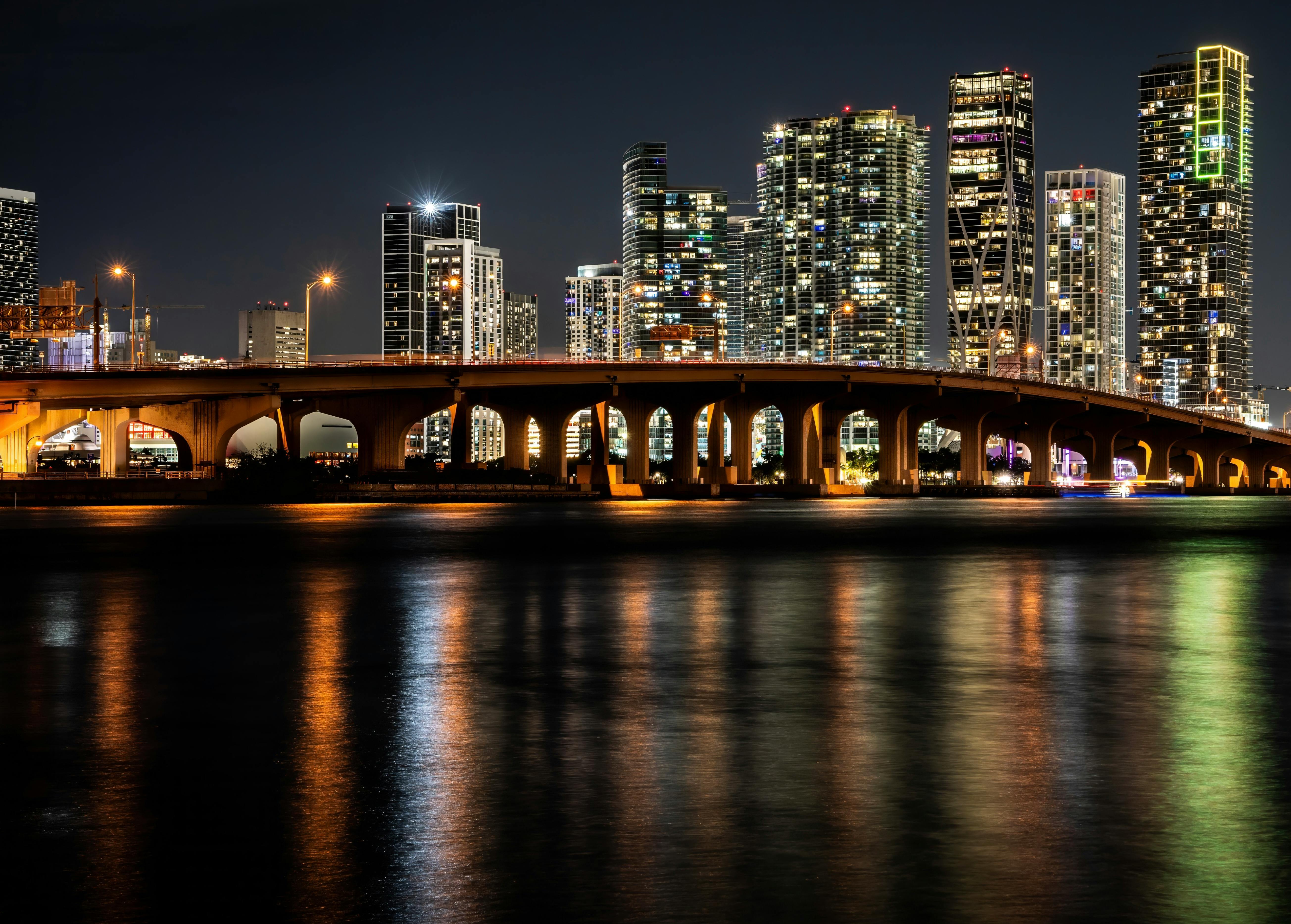
Conclusion: A City on the World Stage
Ken Griffin’s endorsement of Miami isn’t just a billionaire’s whim—it’s a reflection of a city that has redefined itself. With a booming population, surging real estate market, expanding infrastructure, and a growing reputation as a financial and cultural capital, Miami is no longer just “up-and-coming.” It has arrived.