
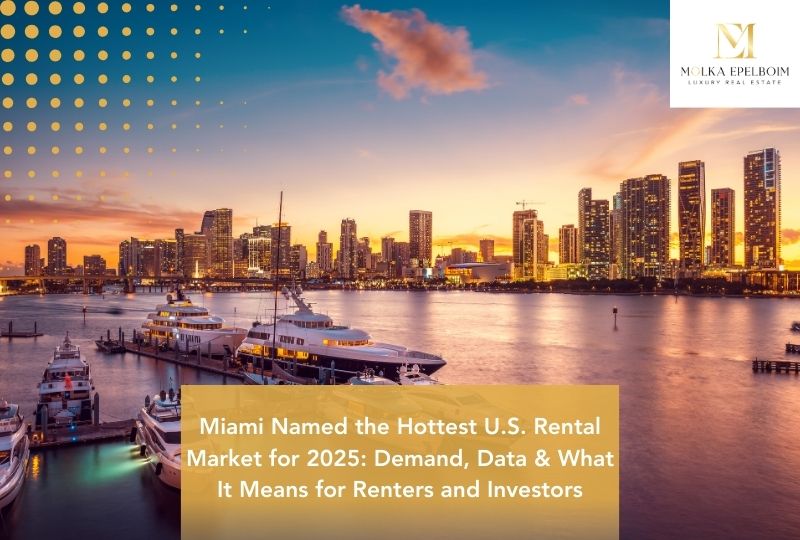
Miami has officially been named the hottest and most competitive rental market in the United States for 2025, according to multiple year‑end reports from RentCafe and industry analysts. For the third consecutive year, Miami leads the nation in rental demand, outperforming 139 major U.S. markets and maintaining its position despite a slight cooling in competitiveness.
This article breaks down the data behind Miami’s ranking, why demand remains so strong, and what renters and investors should expect moving forward.
Why Miami Ranked #1: Key Data & Market Indicators
1. Record‑High Demand and Competition
RentCafe’s 2025 Rental Competitivity Report shows that Miami continues to dominate the U.S. rental landscape, driven by a combination of population growth, lifestyle migration, and limited housing supply.
Top Competitiveness Metrics (2025):
18 prospective renters per vacant unit on average
72% lease renewal rate, up 0.8% from 2023
Occupancy rates among the highest in the nation (RentCafe’s RCI score: 74.4/100)
Vacant units stay on the market for extremely short periods, often just days
These numbers reflect a market where renters face intense competition and landlords experience historically low vacancy.
2. Supply Growth Still Can’t Keep Up
Despite Miami adding 4.12% more rental units in 2025, slightly above the 3.71% increase in 2023, demand continues to outpace supply.
Why supply lags behind demand:
Rapid population growth fueled by domestic and international migration
High construction costs and labor shortages
Limited land availability in core urban areas
Strong investor activity in multifamily assets
Even with new developments, Miami’s rental pipeline cannot match the influx of new residents.
3. Migration Trends Fueling the Surge
Miami’s appeal has expanded beyond tourism and retirement. The city has become a magnet for:
Remote workers seeking lifestyle upgrades
Tech and finance professionals relocating from New York, Chicago, and California
Foreign investors from Latin America and Europe
High‑net‑worth individuals seeking tax advantages
This demographic shift has reshaped Miami into a global hub for business, culture, and luxury living.
How Miami Compares to Other U.S. Markets
While Miami remains #1, the Midwest is emerging as a strong competitor. Suburban Chicago and Milwaukee ranked just behind Miami in 2025’s hottest rental markets list.
Top 5 Hottest Rental Markets (RentCafe 2025):
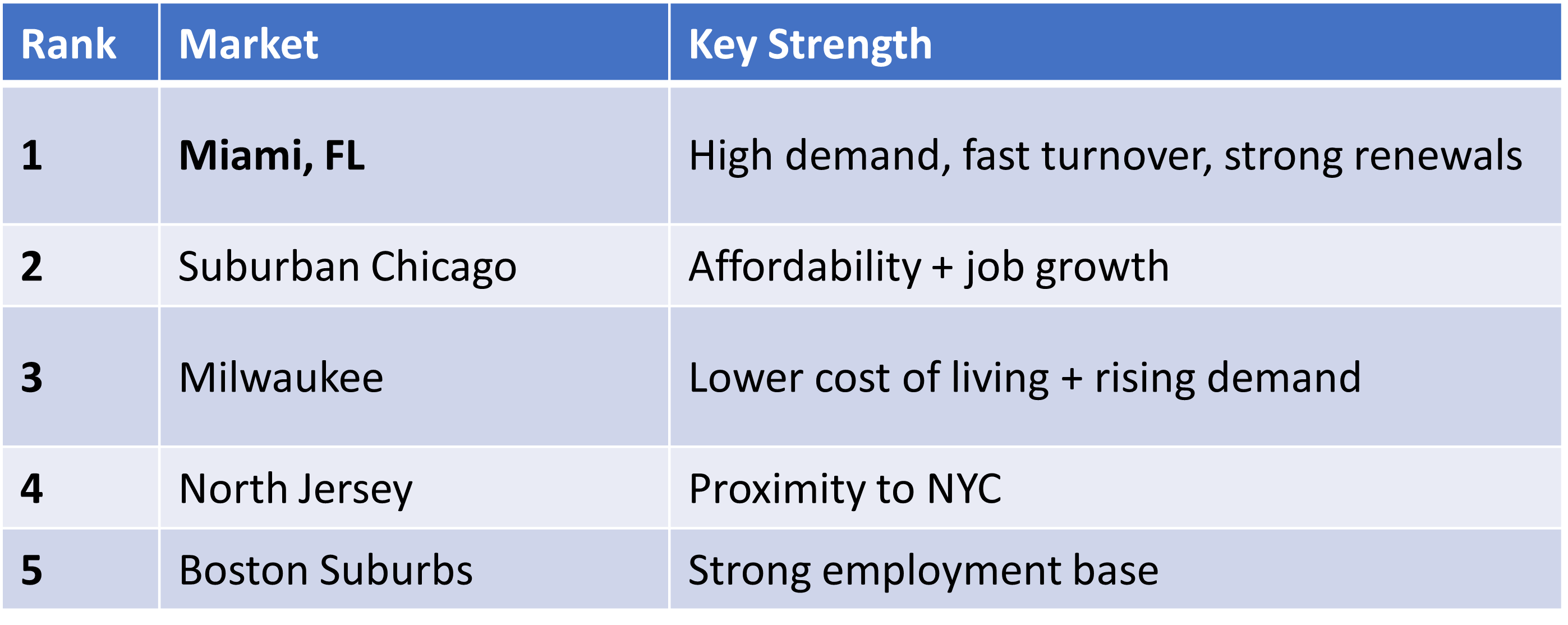
Miami’s continued dominance is impressive given rising costs and competition from more affordable regions.
Why Renters Are Struggling in Miami
1. High Cost of Living
Miami’s cost of living has surged due to:
Rising rents
Increased insurance premiums
Higher transportation and food costs
Limited affordable housing options
Despite these challenges, demand remains strong because of Miami’s lifestyle appeal and economic opportunities.
2. Limited Rental Inventory
Even with new construction, Miami’s rental inventory remains tight. High occupancy rates mean renters must act quickly and often face bidding wars.
3. Strong Lease Renewals
With 72% of renters renewing their leases, turnover is low, reducing the number of available units and increasing competition for new listings.
Why Investors Are Flocking to Miami
1. High Rental Yields
Miami’s combination of high demand and limited supply creates strong rental income potential.
2. Long‑Term Appreciation
Miami real estate has shown consistent appreciation driven by:
International demand
Infrastructure improvements
Economic diversification
3. Favorable Tax Environment
Florida’s no state income tax continues to attract investors and high‑earning professionals.
Forecast: What’s Next for Miami’s Rental Market?
According to U.S. News Real Estate, Miami is experiencing a surplus of condos but remains a seller’s market for single‑family homes due to limited inventory and strong demand.
2026–2027 Outlook:
Rental demand will remain elevated
Prices may stabilize but are unlikely to drop significantly
New construction will help but not fully resolve inventory shortages
Miami will remain a top destination for domestic and international migration
Miami’s position as a global city ensures long‑term resilience in its rental market.
Conclusion
Miami’s recognition as the hottest U.S. rental market for 2025 is backed by strong data: high demand, rapid turnover, strong lease renewals, and a growing population. While renters face challenges, investors continue to benefit from one of the most dynamic real estate markets in the country.
As Miami evolves into a global economic powerhouse, its rental market is expected to remain competitive, resilient, and highly attractive for years to come.